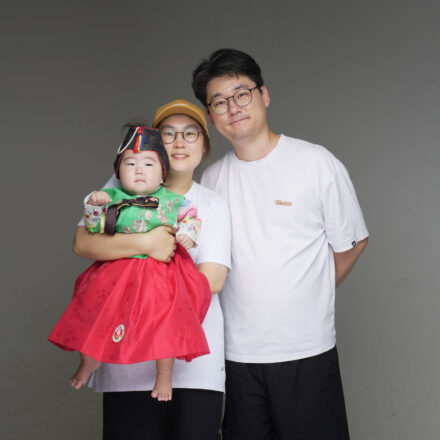


Korean baegil (백일) is the tradition of celebrating a baby’s first 100 days of life. On September 18, 2025, our family celebrated this meaningful milestone for our third daughter, So-yoon (소윤), with a small gathering at home.
Table Of Content
- What Does Korean Baegil Mean?
- Our Simple Baegil Celebration at Home
- The Funny Secret Behind the Photos
- Why Is Baekseolgi Prepared for a Baby’s 100th Day?
- Why Do Families Serve Susu Pat-tteok?
- A Small Celebration We Will Always Remember
- Korean Baegil Frequently Asked Questions
- What is baegil?
- Is baegil the same as doljanchi?
- How do Korean families celebrate baegil today?
Just as we had kept her first-birthday celebration simple, we did not plan a large party for her baegil. We prepared a few traditional rice cakes—including baekseolgi and susu pat-tteok—took plenty of photos, and enjoyed a quiet family moment together. It was modest, warm, and exactly right for us.

What Does Korean Baegil Mean?
The word baegil literally means “one hundred days.” In Korea, a baby’s 100th day has long been treated as an important life milestone. In the past, when infant mortality was much higher, reaching 100 days safely was a reason for families to feel deeply grateful and to pray for the child’s continued health and long life.
According to the National Folk Museum of Korea, families traditionally held a large celebration when a child reached the 100th day in good health. Modern Korean families still celebrate baegil, although many now choose a smaller gathering, commemorative photos, or a simple meal with close relatives.
Our Simple Baegil Celebration at Home
For So-yoon’s baegil, we kept everything relaxed. There was no banquet hall and no elaborate event schedule. We simply set out traditional rice cakes on our dining table and tried to capture a few photographs that we could look back on years from now.
We also made a playful “100” with diapers and laid So-yoon beside it. Some photos caught her smiling, while others captured the wonderfully serious expression that babies sometimes make when the adults around them are working very hard to get one perfect shot.


The Funny Secret Behind the Photos
There was one practical problem: at 100 days old, So-yoon still could not sit on her own. To make the rice-cake photo possible, her grandmother—my mother-in-law—had to crouch behind her and carefully support her body while trying to stay out of the camera frame.

If you look closely, you may notice a little evidence of our behind-the-scenes helper. It was not a professional photo shoot, but that makes the pictures even more special to us. They preserve the laughter, teamwork, and small imperfections of a real family celebration at home.
Why Is Baekseolgi Prepared for a Baby’s 100th Day?
Baekseolgi (백설기) is a soft, white steamed rice cake made mainly from non-glutinous rice flour. Its clean white color traditionally represents purity and sacredness, as well as the family’s wish that the baby will grow up healthy and with a bright, innocent heart.
There is also a meaningful play on the sound baek: it can refer to “white” in baekseolgi and sounds the same as the Korean word for “one hundred.” This connection made the rice cake especially symbolic for a 100-day celebration. Some baegil baekseolgi is decorated with the Chinese character 百, meaning one hundred, as ours was.
Why Do Families Serve Susu Pat-tteok?
Susu pat-tteok (수수팥떡) is made with sorghum and red beans. In Korean folk belief, the red color of the beans was thought to drive away harmful spirits and misfortune. Serving the rice cake therefore expressed a family’s hope that the baby would be protected from illness and grow up safely.
Korea.net’s overview of traditional rice cakes explains that baekseolgi and red bean sorghum rice cakes are prepared for both baegil and a baby’s first birthday. Traditionally, families also shared the rice cakes with relatives and neighbors, turning one child’s milestone into a community blessing.
A Small Celebration We Will Always Remember
Our table was simple, but every rice cake carried a wish: health, protection, happiness, and a long life for our youngest daughter. The most valuable part of the day was not the decoration or the size of the celebration. It was seeing So-yoon smile while our family worked together to record this brief stage of her childhood.

We later celebrated another important Korean milestone with her first birthday and doljabi. If you would like to learn how the traditions are connected, read our family story about Korean doljanchi and the meaning of doljabi.
Korean Baegil Frequently Asked Questions
What is baegil?
Baegil is the traditional Korean celebration held when a baby reaches 100 days old. It expresses gratitude for the baby’s health and wishes for a safe and happy future.
Is baegil the same as doljanchi?
No. Baegil marks 100 days after birth, while doljanchi celebrates the baby’s first birthday. Doljanchi usually includes doljabi, the tradition in which the child chooses an object believed to symbolize their future.
How do Korean families celebrate baegil today?
Celebrations vary. Some families rent a studio or event space, while others take photographs and share rice cakes at home with close relatives. A simple celebration can still preserve the tradition’s central meaning: gratitude and wishes for the baby’s wellbeing.
Happy 100 days, So-yoon. Watching our third daughter grow has brought another beautiful chapter to our family story, and we are grateful for every smile along the way.